
The Science of the Mind will be investigated through two separate talks followed by a plenary discussion and Q&A addressing the complexities of this fascinating topic.
Science of the mind – Philosophy of the Mind: Emerging technologies, evolving minds?
Talk by Dr Joel Krueger, Dr Lucy Osler and Dr Tom Roberts from the University of Exeter.
How does technology, from flint tools to computers, shape the way we think, feel, and act? Are smartphones part of our (extended) minds? Can AI chatbots influence what we take to be “real”? And why do some people fall in love with their digital companions?
Together, Lucy, Tom, and Joel will draw on their respective areas of expertise in philosophy of mind and cognitive science to lead the audience on a fascinating journey investigating the workings of the human mind. They will discuss how our thoughts, emotions, experiences, and well-being are impacted by a constantly changing world—in particular, rapid developments in digital media and Artificial Intelligence.
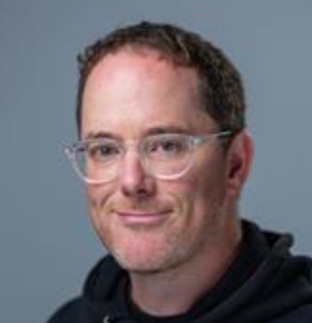
Dr. Joel Krueger, Professor, Philosophy, University of Exeter.
Dr. Krueger is a philosopher of mind and cognitive science who works on topics like emotions, sociality, psychopathology, and human-AI interactions. Most recently, Dr. Krueger’s work has focussed on philosophical issues raised by autism, as well the use of AI companions for social and emotional purposes including love, grief, and loneliness.

Dr. Lucy Osler, Lecturer, Philosophy, University of Exeter.
Dr. Osler’s research focuses on the ‘Philosophy of Digital Society’. Using insights from philosophy of the mind, philosophy of emotions, feminist philosophy, and philosophy of psychiatry, she has published widely on digital relationships, both with other humans and with AI bots.

Dr. Tom Roberts, Senior Lecturer, Philosophy, University of Exeter.
Dr. Roberts is a philosopher of mind interested in understanding how thoughts and experiences are shaped not only by the inner workings of the brain, but through active engagement with the surrounding environment. He has published widely on mental health and illness; loneliness and experiences of emotional absence; and auditory, olfactory, and haptic sensory modalities; and AI-generated deepfakes.